All pumpkins and squash are members of Cucurbitaceae (gourd family). Botanically there is no distinction between squashes and pumpkins since both pumpkin and squash cultivars are found in these species.
Winter squash can be a Cucurbita pepo, C. maxima, C. moschata or C. mixta.
Winter squash is the edible fruit of any species of Cucurbita utilized when ripe (usually C. maxima or C. moschata) as a table vegetable or in pies. The flesh is fine grained and of mild flavour so is suitable for baking. The fruits have hard rinds and store well.
Nutrient Content: excellent source of Vitamin A; good source of Vitamin C; potassium and calcium. Low in sodium. The seeds are a good source of protein, contain some iron and are high in unsaturated oils. Some cultivars are being grown for the seed or pressed for oil. Due to the high vitamin A content of pumpkin and squash flesh, consumption will reduce the risk of cancer and heart disease.
3 years from cucurbit to cucurbit is recommended.
Be aware this plant is 90-95% water and so past residuals and high persistency active ingredients have been reported in even organic fruits.
This is an important concern for a good set of high quality fruit. On winter squash, fruit set takes place over a 2 to 3 week period. Cucurbit pollen and nectar is not that attractive for hive bees, bumble bees and wild bees take more interest; both are intangible factors to rely on. Squash flowers generally open only in the morning, further limiting potential. If there is a nearby improved source of pollen, any bees will go there instead so remove flowering weeds and locate away from any other nearby pollen sources if possible. Inadequate pollination results in poorly shaped fruit as well as excessive blossom drop. One colony of honey bees per acre is suggested to give 1 been per 10 female flowers. Yield increases have been achieved with up to three hives per acre.
Another UK issue, imparted from our breeder, is that for fruit set uniformity the temperature at pollination needs to be stable, if not, then the fruits become distorted.
This is an important concern that UK growers perceive the end of the crop as the successful powdery mildew invasion to clear up the foliage. Control weeds. It is the last ten days of curing when the stems are beginning to dry and go corky that leaf area is required to photo-synthesise the final field cure and sugar levels of the variety. Mildew invasion starts around post flowering stage and gradually worsens as the fruit setting is occurring. This is an important stage to retain leaf cover and improve the quality and yield of the plant. So do carry out a few mildew sprays to cover this period usually August to mid-September. Breeders are selecting for higher sugar level and brix level varieties nowadays. These have improved flavour and holding ability.
Skin becomes dull and dry, stem corkiness.
Do not add or top dress any nitrogen to this crop. It is vital to avoid encouraging vegetative growth as this will encourage the plant to set fruit closer to the crown and earlier, instead of trailing off and exploring a wider surface area to transport its seed, and thus spread as it would in the wild. The plant requires adequate supply of K and Calcium N and P. The best option is to water in at planting, and then give the plants several booster drenches at weekly intervals to cover the dry weather, then completely hold off watering from fruit set so as to induce early ripening and maturity.
The storage life of winter squash ranges from 2 to 6 months depending on the cultivar. Most cultivars of winter squash store longer than pumpkin cultivars. After curing, for about 2 weeks, at 27 to 30℃, maintain the storage at 7.5 to 13℃ and at 60 to 75% relative humidity. Curing hardens the shell, heals superficial wounds, reduces the water content of the fruit and thereby improves the eating quality of most cultivars. A temperature of 2℃ for 30 days will result in chilling injury, exhibited by increased rot, when removed from storage to room temperature.
Most varieties mature in 100-140 days. A dulling of skin colour, corking of the stem and subtle changes in rind colour (bright green to dull green in Kabocha for example) are the main external indications of maturity. Immature fruit have a fleshy stem, maturing fruit will have some stem corking, and well mature fruit will have a well corked stem. Internal colour should be intense and typical of the cultivar. The concentrations of the yellow and orange carotenoids generally increase only slightly during storage. Maturity at harvest is the major determinant of internal colour. Immature fruit will be of inferior eating quality because they contain less stored carbohydrates. Immature fruit will have more decay and weight loss during storage than mature fruits.
Winter squash should be full sized and well formed with the stem intact. They should be well matured with good rind development typical of the cultivar. Internal quality attributes are high colour due to a high carotenoid content, and high dry weight and sugar and starch contents.
Winter squash are very chilling sensitive when stored below 10℃ (50℉). Depending on the cultivar a storage life of 2 to 6 months can be expected at 12.5-15℃ (55-59℉).
50-70% with 60% usually considered optimum Moderate relative humidity with good ventilation is essential for optimum storage. High humidity will promote decay. Although 50-70% RH will reduce decay during storage, significant weight loss will occur. For example, mature Kabocha squash lose 1.0 and 1.5% of their fresh weight per week of storage at 12.5℃ (59℉) and 20℃ (68℉), respectively.
Exposure to ethylene will de-green squash with green rinds. Ethylene will also cause abscission of the stem, especially in less mature fruit.
Chilling injury. Caused if pumpkins and squashes are stored below 10-12.5℃ (50-55℉). Symptoms of chilling injury are sunken pits on the surface and high levels of decay once fruit are removed from storage. Storing fruit 1 month at 5℃ (41℉) is sufficient to cause chilling injury symptoms. Depending on the cultivar, storage for several months at 10℃ (50℉) may cause some chilling injury.
Freezing injury. Can occur at temperatures below -0.8℃ (30.5℉).
Several fungi are associated with decay during storage of pumpkins and winter squashes. Fusarium, Pythium and anthracnose (Colletotrichum) and gummy stem blight or black rot (Mycosphaerella) are common fungi. Alternaria rot will develop on chill-damaged winter squashes. Fruit that are overmature at harvest (>2 weeks beyond optimal harvest date) will tend to have more storage decay.
Curing. The fruits may have tender rinds when freshly harvested. Curing in the field (with protection from the sun by placing under the leaves) before handling and stacking into bins will help to harden or cure the rind. The recommended storage conditions also favor curing or hardening of the rind.
Green Kabochas - can roast straight off, very good diced and roasted.
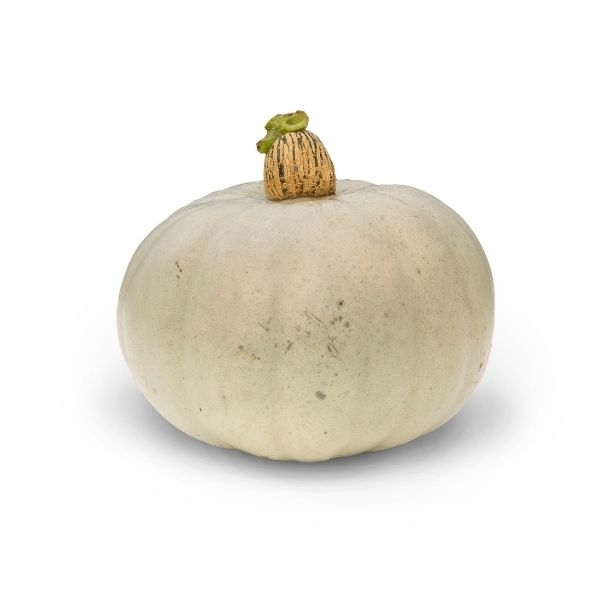
Crown Prince - best flavour, need to parboil for 2 minutes, before roasting, then excellent.
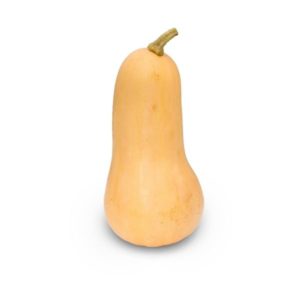
Butternut - critical to get a fully mature fruits, as immature lose their texture and the flavour is more squash than butternut. The UK crop is all about early maturing fruits. The US stock is generally slow to mature compared to our own bred fruits.
© Copyright 2011 Tozer Seeds ltd